.svg)

.png)
Regimental System
Virginia Military Institute’s regimental system is the backbone of cadet life, the organizing force that turns intent into action and potential into leadership.
Grounded in military tradition and aligned with academic excellence, it establishes clear expectations, shared responsibility, and regimentally enforced standards that guide every cadet through growth and challenge.
The Corps of Cadets regiment is organized to reflect an Army infantry regiment. VMI's approximately 1,600 cadets join one regiment of three battalions and their staffs. Each battalion has three companies, for a total of nine line companies plus a Regimental Band.
At VMI, the regimental system structures the Corps of Cadets into a single regiment comprised of battalions, companies, and squads. This design cultivates disciplined habits, ethical decision-making, and unit cohesion. Living and training regimentally provides a practical education in accountability that complements the classroom, reinforcing the standards cadets uphold and the values they live.
Historically, the regimental system ensured order, readiness, and effective command and control. That heritage informs how VMI blends time-tested traditions with modern leadership principles. In this approach, daily operations, ceremonial duties, and mentorship align across class years. The regimental system strengthens routines that support academic performance, physical fitness, and professional growth while honoring the lineage of army regiments and the expectations they set for service.
Structure and Cadet Rank Within the Corps
VMI’s chain of command is clear and uncompromising. The Regimental Commander leads the Corps; battalion and company commanders direct subordinate units; non-commissioned officers supervise training, standards, and accountability. This hierarchy clarifies roles, empowers decisive action, and ensures cadets understand their responsibilities and deliver results.
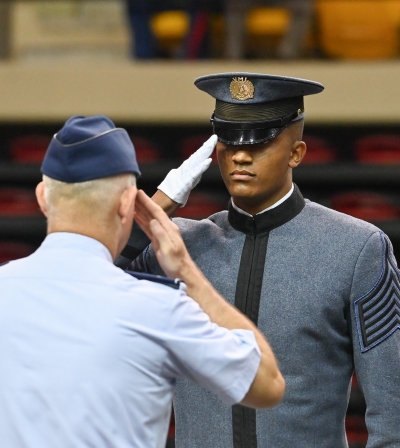
VMI has really taught me confidence as a leader. It’s taught me how to be decisive. It’s taught me how to wear my own skin a lot more confidently, how to walk into a place and have a commanding presence.
Leadership progresses with cadet rank and opportunity. 1st Class cadets hold top billets and oversee planning and execution across the regiment. 2nd and 3rd Class cadets lead squads, serve on staff, and supervise training. Fourth Class cadets learn standards, master fundamentals, and support their units. Through these rotations, cadet rankings reflect performance and potential, guiding assignments and mentorship in ways that build experience, confidence, and character.
Coordination across companies and battalions happens at formations, drills, field training, and Institute-wide events. Shared missions — parades, inspections, and ceremonies — demand precision and teamwork. Regimentally aligned expectations keep the Corps unified, advancing both the spirit and the discipline of the army regimental system.
Traditions, Values, and Standards
The regimental system at VMI instills core values — honor, duty, self-discipline, respect, and service to others. These principles are reinforced daily through mentorship and accountability, shaping decisions that endure beyond graduation. Traditions such as parades, guard mount, and ceremonial occasions connect cadets to generations who stood in the same ranks within enduring army regiments.
Camaraderie grows from shared challenges and collective goals. Cadets rely on one another, celebrate unit achievements, and face adversity together. That trust strengthens performance and resilience, affirming the authenticity of our leadership development and the clarity of our standards.
Training and Leadership Development
Leadership training is embedded in regimental life. Cadets plan operations, brief peers, supervise tasks, and assess performance under real conditions. Mentorship from senior cadets and professional staff fosters ethical judgment, effective communication, and practical leadership skills that translate across military and civilian contexts.
Physical and tactical training includes drill and ceremony, fitness, and field exercises with an emphasis on precision, resilience, and unit effectiveness. These activities sharpen confidence and reinforce safety and attention to detail — core tenets of the Army regimental system and consistent with frameworks such as Army regulation 600-82 that underscore readiness and leader development.
Decision-making and resilience are strengthened through scenario-based training, time-sensitive tasks, and after-action reviews. Cadets learn to analyze options, adapt to changing conditions, communicate clearly, and accept responsibility for outcomes. These lessons are tracked and reinforced, contributing to cadet rankings that reflect performance and growth across the training cycle.
Cadet Officers and Staff Responsibilities
Regimental Officers are responsible for the conduct, discipline, training, and operations of the entire Corps of Cadets regiment.
Battalion Officers are responsible for the conduct, discipline, training, and operations of their battalion.
Company staff and four platoons are responsible for the accountability, training, and welfare of cadets in their company.
Color Guard staff are responsible for the safeguard and maintenance of the colors for all events on post.
S1 (Adjutant) staff are responsible for all personnel and administrative actions for the Corps of Cadets.
S2 (Academics) staff advise the Corps of Cadets on all academic procedures contained in VMI regulations.
S3 (Operations) staff plan, coordinate, execute, and supervise training, ceremonies, and other major operations of the Corps of Cadets.
S4 (Supply) staff coordinate supplies and logistics for the Corps of Cadets.
S5 (Public Relations) staff are responsible for public relations, counseling, and recruiting programs for the Corps of Cadets.
S6 (Communications and Information Systems) staff are responsible for all Corps issues related to communications and information systems.
S7 (Cadet Life) staff are responsible for the general well-being and morale of the Corps of Cadets.
S-8 Emergency Medical Service (EMS) staff are responsible for providing emergency medical care to the Corps of Cadets, staff, faculty, and visitors on and around the VMI campus.
S9 (Athletics) staff are responsible for all issues related to NCAA athletics and club sport events.
Everyone’s coming from all different places, but then the second you get taken into barracks, what you’ve done and where you come from—nobody cares. You’re all on the same playing field. … It’s what you do here that matters. You can build yourself up from here: It’s a new start.
Impact on Cadet Life
Daily rhythms follow the regimental system: formations, classes, physical training, inspections, study hours. This predictable structure builds time management, focus, and preparedness while supporting academic success and professional standards. With each increase in cadet rank, responsibilities expand, teaching cadets to balance mission demands with well-being and academic goals.
Opportunities to lead are constant. Cadets compete for billets, execute unit goals, and participate in events that showcase excellence.
As cadet rankings evolve, they reflect initiative, performance, and integrity, accelerating development and shaping leaders who are principled, capable, and ready.